Change Your Woodworking Experience: A Comprehensive Summary of Modern Machinery Options
Modern woodworking is progressing with the introduction of innovative equipment. CNC routers and laser cutters enhance precision and efficiency, making them indispensable to woodworkers. These tools permit complex designs while minimizing waste. The selection process can be overwhelming. Comprehending the important attributes and how to incorporate these technologies into traditional methods is crucial. What aspects should one take into consideration when choosing the best equipment? The responses might change a woodworker's technique.
The Surge of CNC Routers in Woodworking
As woodworking remains to progress, the development of CNC routers has transformed conventional practices right into innovative production processes. These computer-controlled machines permit for accurate cutting, shaping, and inscription of wood, considerably improving the performance and accuracy of woodworking tasks. Unlike hands-on approaches, CNC routers can reproduce styles with regular high quality, decreasing the threat of human mistake.
The flexibility of CNC routers makes them appropriate for a vast array of applications, from elaborate makings to large-scale production runs. They can deal with complex geometries and different products, dealing with both enthusiasts and specialist woodworkers.
Additionally, the assimilation of CAD (Computer-Aided Style) software program assists in the seamless change from design to production, enabling faster job turn-around times. Consequently, CNC routers are coming to be significantly popular, allowing woodworkers to push the boundaries of creative thinking while optimizing their workflow. This technological innovation notes a noteworthy change in the woodworking landscape.
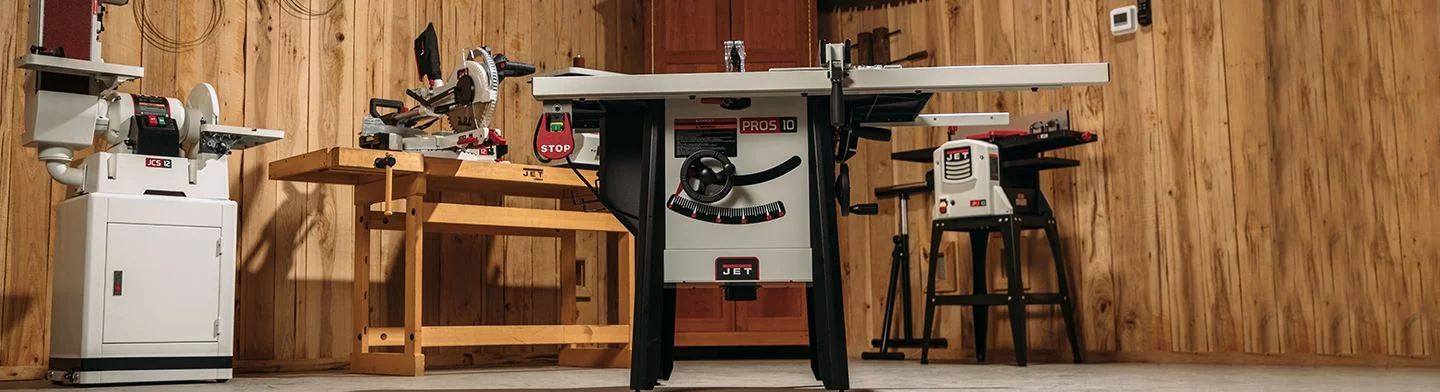
Checking out the Conveniences of Laser Cutters
A growing variety of woodworkers are finding the benefits of laser cutters, which offer unmatched accuracy and flexibility fit wood and other products. These equipments utilize very focused laser light beams to cut, engrave, and etch designs with remarkable accuracy, enabling for elaborate details that conventional techniques might battle to achieve. The ability to quickly produce intricate patterns can significantly enhance productivity, enabling craftsmens to full tasks in a portion of the moment.
Furthermore, laser cutters produce marginal waste, as the cutting process is exact and lowers excess product. This efficiency not only saves sources however also decreases expenses related to basic materials. On top of that, their flexibility permits woodworkers to experiment with a variety of products beyond timber, including acrylic and textile, expanding creative opportunities. Laser cutters are coming to be crucial devices in contemporary woodworking, appealing to both experts and enthusiasts looking to boost their craft.
Necessary Functions to Search For in Modern Devices
When choosing contemporary woodworking devices, three necessary functions stand apart: accuracy, durability, and convenience. Precision assurances that every cut, coating, or joint is precise, resulting in professional-quality results. Tools that supply superb accuracy not just enhance the craftsmanship yet also decrease waste, conserving time and sources.
Toughness is vital for long life and constant efficiency. Top notch materials and robust building and construction shield versus deterioration, enabling devices to stand up to extensive use in numerous woodworking jobs.
Convenience permits a single tool to perform several functions, making it a beneficial addition to any kind of workshop. Tools that can adjust to various tasks and materials raise effectiveness and decrease the need for extreme tools.
Exactly how to Choose the Right Equipment for Your Tasks
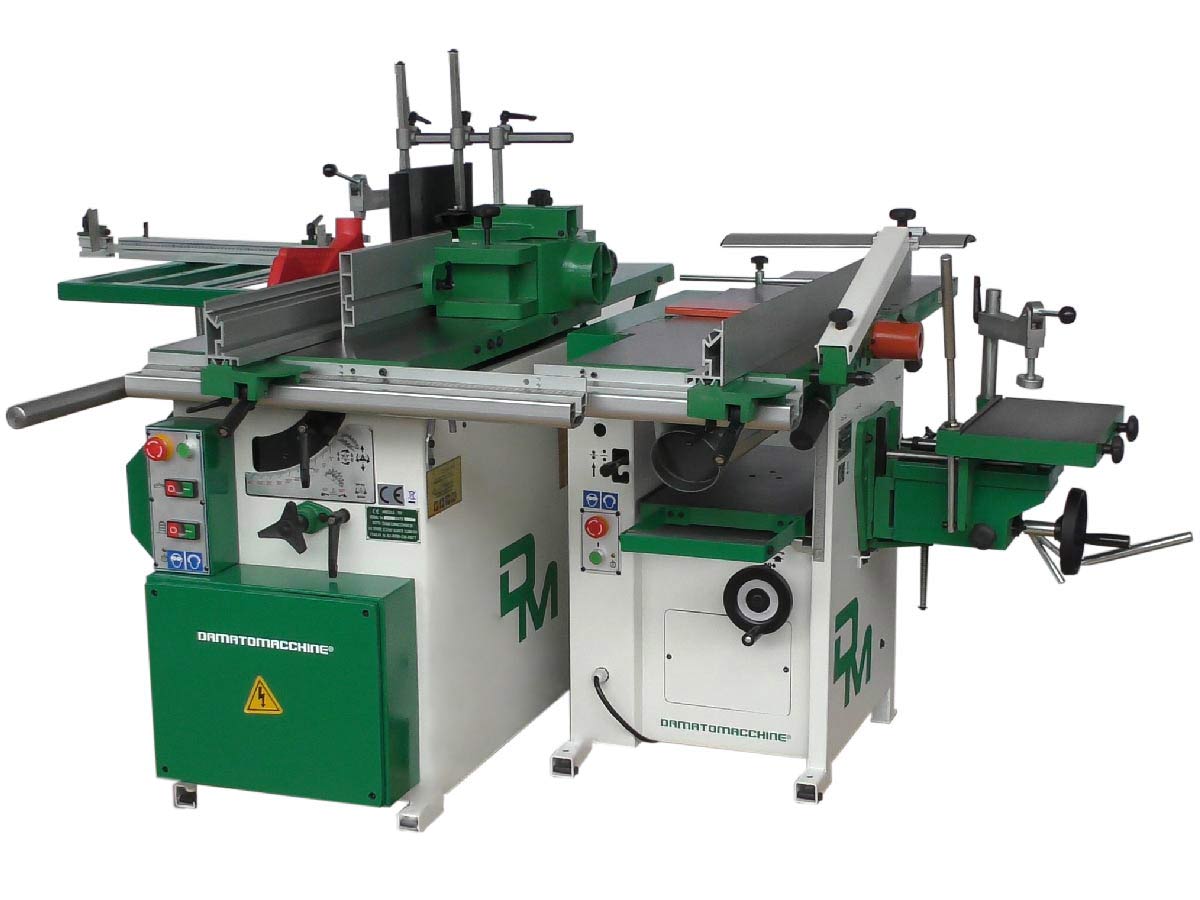
Furthermore, spending plan restrictions commonly dictate machinery selections. High-grade devices can be pricey, but purchasing trustworthy tools can enhance productivity and outcome quality.
Power needs and the schedule of substitute parts additionally merit factor to consider, specifically for long-term upkeep.

Tips for Integrating Modern Technology Into Conventional Woodworking Methods
Incorporating innovation right into traditional woodworking methods can enhance craftsmanship and effectiveness. Woodworkers can begin by making use of electronic design software application to develop exact strategies and designs, enabling even more precise cuts and joints. These programs can additionally facilitate the exploration of intricate designs that may be tough by hand.
Incorporating CNC machines can additionally streamline production, making it possible for craftsmens to Look At This duplicate intricate patterns with uniformity. Nonetheless, it is vital to keep the responsive experience of woodworking; integrating CNC job with hand-finishing strategies can generate outstanding outcomes.
Adopting laser engraving tools allows for customization and comprehensive embellishments, including a modern touch to standard pieces. Additionally, making use of electronic calipers and laser degrees can boost measurements, guaranteeing higher precision in every project. By blending these technologies with time-honored techniques, woodworkers can preserve the virtuosity of their craft while welcoming innovation.
Frequently Asked Inquiries
What Is the Typical Life Expectancy of Modern Woodworking Machinery?
The average life-span of modern-day woodworking machinery typically ranges from 10 to twenty years, depending upon use, high quality, and maintenance. Automated Gluing. Routine servicing can expand this life expectancy, while neglect might cause early wear and tear and malfunction
How Much Upkeep Do These Equipments Generally Need?
Modern woodworking equipment generally requires normal maintenance, including cleaning, lubrication, and periodic examinations. This assures peak efficiency and durability, with the majority of equipments requiring comprehensive servicing every 6 months to a year, depending on use intensity.
Can I Utilize Traditional Methods With Modern Machinery?
Yes, typical methods look here can be properly utilized along with modern equipment - Wood Glue Applicators. Many artisans mix both methods, improving efficiency while preserving craftsmanship, permitting an unified integration of time-honored techniques with modern devices in woodworking projects
What Safety and security Features Should I Look for in Woodworking Makers?
When choosing woodworking equipments, one must focus on safety functions such as blade guards, emergency situation stop switches, anti-kickback devices, and dirt collection systems, ensuring a more secure working setting and minimizing the threat of crashes throughout operation.
Are There Funding Options for Purchasing Modern Woodworking Machinery?
Several manufacturers navigate to these guys and retailers supply funding options for purchasing contemporary woodworking machinery. These may include time payment plan, renting arrangements, and credit rating choices, allowing purchasers to handle costs while investing in necessary devices for their woodworking tasks.
Modern woodworking is evolving with the intro of innovative equipment. When picking modern-day woodworking tools, 3 vital features stand out: resilience, flexibility, and accuracy. The ordinary life-span of modern-day woodworking equipment commonly ranges from 10 to 20 years, depending on upkeep, high quality, and use. Modern woodworking machinery typically needs regular upkeep, consisting of cleaning, lubrication, and periodic assessments. Several suppliers and sellers offer funding choices for buying contemporary woodworking equipment.